

On the rooftops of Venice
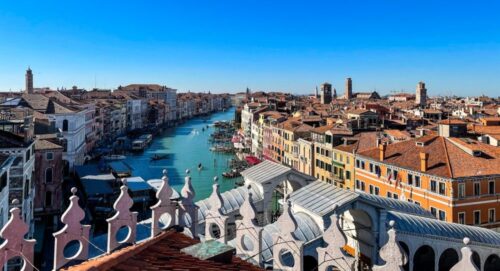
Venice Venice is a city that captivates with its beauty at first sight. Strolling through the narrow streets, you'll inevitably be enchanted by the play of light on the water of the numerous canals, the graceful gondolas gliding along them, the majestic facades of palaces, and the elegance of ancient churches. It seems as if every stone here holds a story, every bridge whispers a legend. The cathedral domes sparkling in the sun, reflected in the dark surface of the water, the intricate stonework on the buildings—all this creates a unique, fairytale-like atmosphere. But the true magic of Venice is hidden from prying eyes, at least from those on the street.
I want to demonstrate to you Venice From an unusual perspective—from the rooftops where one of the scenes from Mission: Impossible 7, starring Tom Cruise, was filmed right here in this city. I'm convinced that every corner of a place can tell us something about its essence and the unique characteristics of its inhabitants.
French ethnologist Marc Auger In his work, he identified two types of spaces: "places" and "non-places". Places — These are spaces imbued with social relationships, memories, traditions, and a sense of belonging. They create a unique atmosphere where people can interact with each other, share experiences, and build a shared culture. For example, places such as historic squares, parks, or historical buildings carry history and significance for local residents. In contrast, non-places Non-places are spaces that do not evoke a sense of belonging and lack a deep connection to culture or history. Examples of non-places include airports, shopping malls, or gas stations. These places are often perceived as transit zones where people stay temporarily and do not establish an emotional connection with the surrounding environment. In the context of Venice, the rooftops of this city and the elements that characterize them can safely be classified as "places." Venice, with its unique architecture and historical heritage, is the result of centuries of human interaction with the environment. Every rooftop, every balcony, and every narrow street preserves memories of the lives of its residents, their traditions, and cultural practices. This city is not just a collection of buildings, but a living organism where history and modernity intertwine, creating a unique atmosphere. The rooftops of Venice, decorated with tiles and characteristic elements such as chimneys and balconies, are not only architectural features but also symbols of the life and creativity of the local residents. They reflect the lifestyle, climate, and cultural preferences of the Venetians. Moreover, rooftops serve as spaces for communication and interaction, where neighbors can exchange news and maintain social connections. Thus, Venice's rooftops are not simply architectural objects, but important elements of the city's cultural and social space, which continue to change and adapt to the influence of new generations and contemporary realities. In this context, Venice as a city can be said to be a shining example of a "place" where history, culture, and social relationships create a unique identity that distinguishes it from non-places, which often lack depth and connection to human experience.
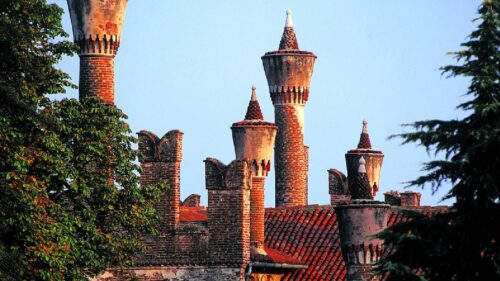
Venice 7000 chimneysAccording to preliminary estimates, there are approximately 7000 chimneys! Those familiar with Venice understand that the urban landscape here is very dense: palazzi are located close to each other and separated by narrow calles and culettas.. Read more… |
|
|
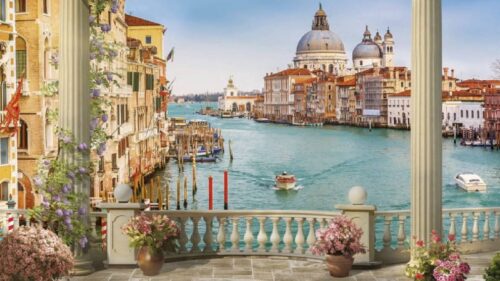
So, I invite you to go on a search for: chimneys, magnificent gazebos, hanging liagos and the most beautiful hanging terraces!